
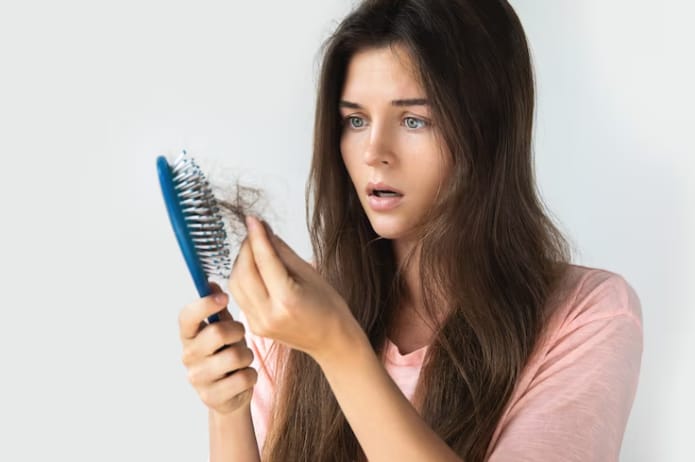
In today’s fast-paced world, lack of sleep becomes an issue . Late nights, screen time, stress, and irregular routines are common—but your hair may be paying the price.
Contents
ToggleCan lack of sleep cause hair loss
The short answer is yes, poor sleep can contribute to hair loss—both directly and indirectly. Let’s see how sleep affects hair growth, science behind it, and what you can do daily to protect your hair.
How hair growth works
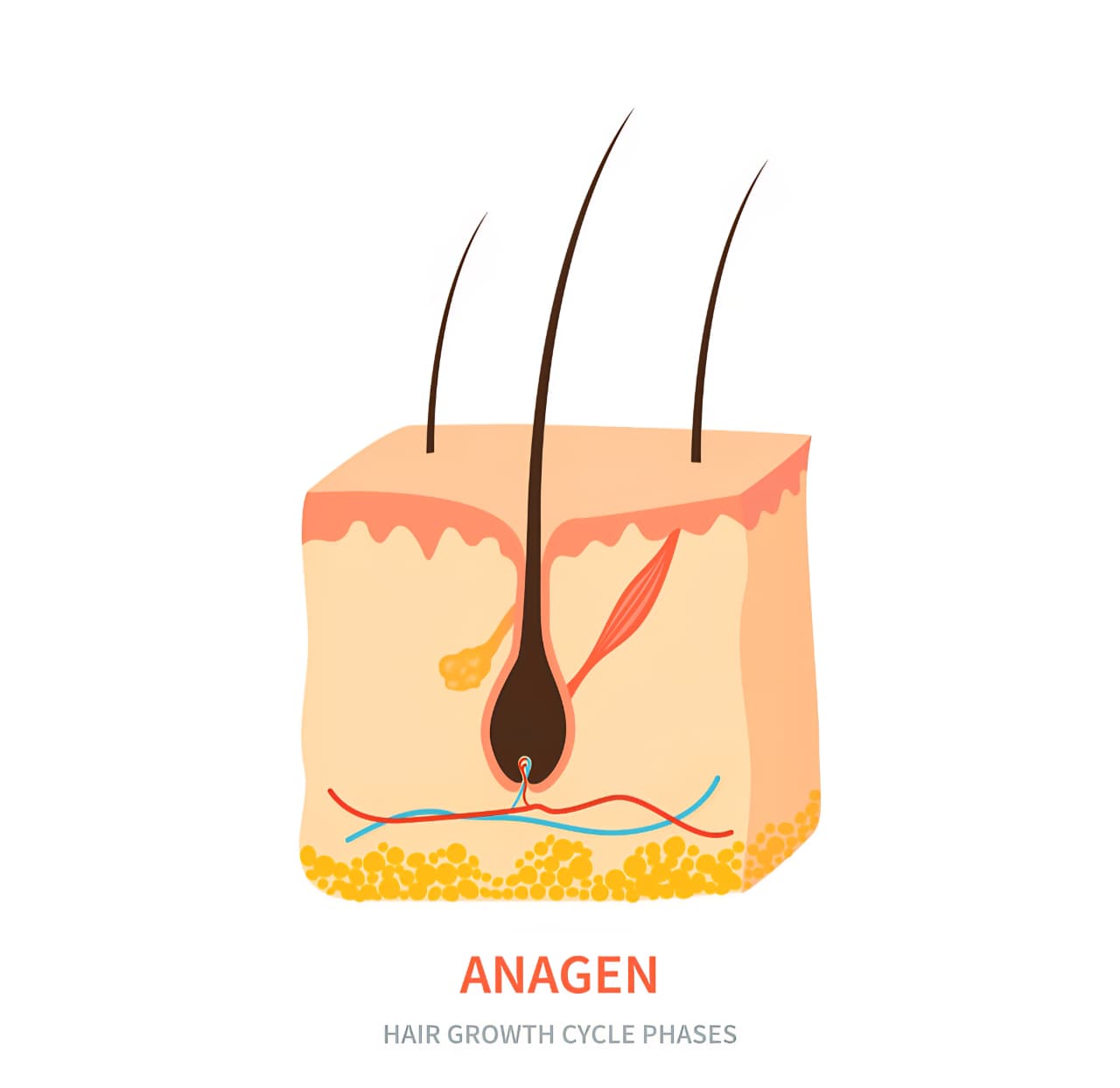
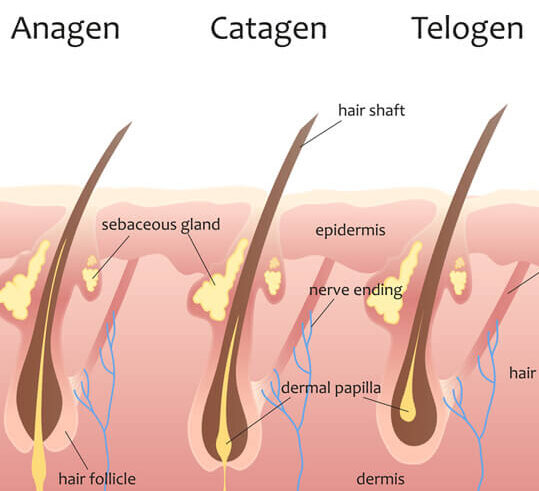
Hair grows in a cycle of three main phases :
- Anagen (Growth Phase): Hair actively grows for 2–7 years.
- Catagen (Transition Phase): Growth slows
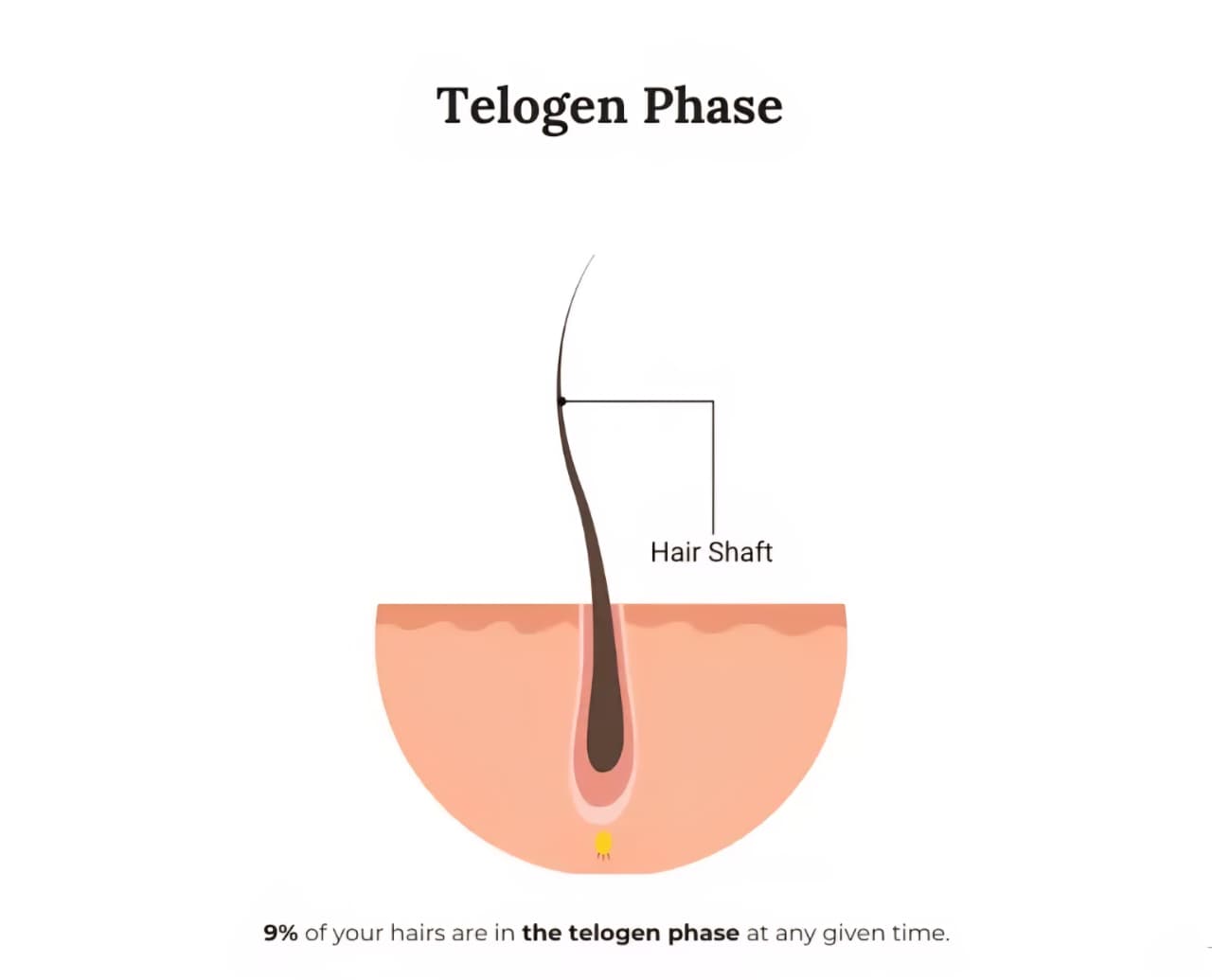
- Telogen (Resting Phase): Hair sheds and new hair replaces it
Healthy sleep helps keep hair in the anagen phase longer. Poor sleep disrupts this cycle.
Can Lack of Sleep Cause Hair Loss?
Yes, poor sleep can trigger hair loss, especially when combined with stress, poor nutrition, or hormonal imbalance.
1. Increased Stress Hormones (Cortisol)
When you don’t sleep enough, your body produces more cortisol, which is a stress hormone.
High cortisol levels can:
- Shrink hair follicles
- Disrupt the hair growth cycle
- Trigger telogen phase (explained earlier), but disrupt new hair growth.
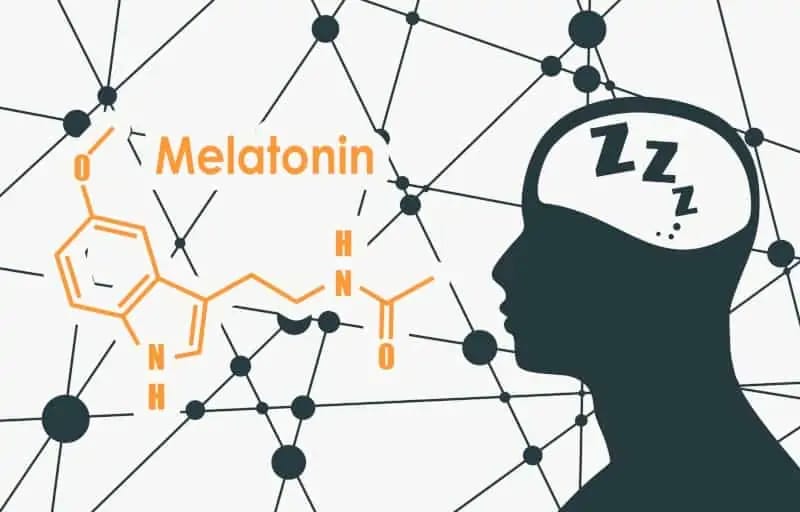
2. Reduced melatonin production
While Sleeping, your body produces melatonin, a hormone that:
- Regulates sleep cycles
- Protects hair follicles
- Supports hair growth
Low melatonin levels due to poor sleep may weaken hair follicles and slow down hair growth.
3. Poor Blood Circulation to the Scalp
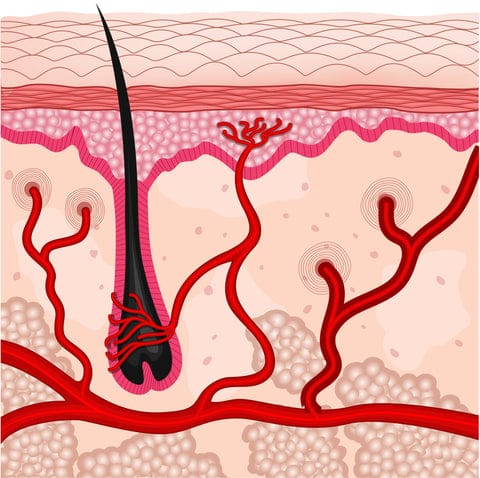
During deep sleep, blood flow improves, delivering oxygen and nutrients to the scalp. Without enough sleep:
- Scalp circulation decreases
- Hair follicles receive fewer nutrients
- Hair becomes thinner and weaker over time
4. Hormonal imbalance
Poor sleep affects key hormones like:
- Testosterone
- Estrogen
- Thyroid hormones
these hormons are well-known contributor in hair growth for both men and women.
5. weakened immune system
Poor sleep weakens immunity, which can:
- Trigger autoimmune hair loss conditions like alopecia areata
- Increase scalp inflammation
- Worsen dandruff and scalp infections
signs your hair loss may be linked to poor sleep
Can lack of sleep cause hair loss : yes, you may suspect sleep-related hair loss if you notice:
- Increased hair shedding after weeks of poor sleep
- Hair thinning without genetic history
- Dry, brittle hair
- Worsening hair fall during stressful periods
- Fatigue, dark circles, and poor concentration alongside hair loss
How much sleep is needed for healthy hair
Can lack of sleep cause hair loss – defenately yes, the sleeping hours should be :
- Adults: 7–9 hours per night
- Teenagers: 8–10 hours
now you can monitor your sleep smartly by using sleep tracker. At the end of the day Consistency matters the most.
How to Prevent Hair Loss Caused by Lack of Sleep
1. Fix Your Sleep Schedule
- Try to sleep and wake up at the same time daily
- You should avoid late-night mobile scrolling or any on-screen tasks.
- Always aim for deep, uninterrupted sleep
Your hair grows best when your sleep schedule is consistant.
2. Manage Stress Before Bed
Remember – High stress means poor sleep which promotes hair loss.
Always Try to:
- Deep brething
- Light stretching
- Meditation
- Avoid work emails at night
Lower stress means lower cortisol—and healthier hair follicles.
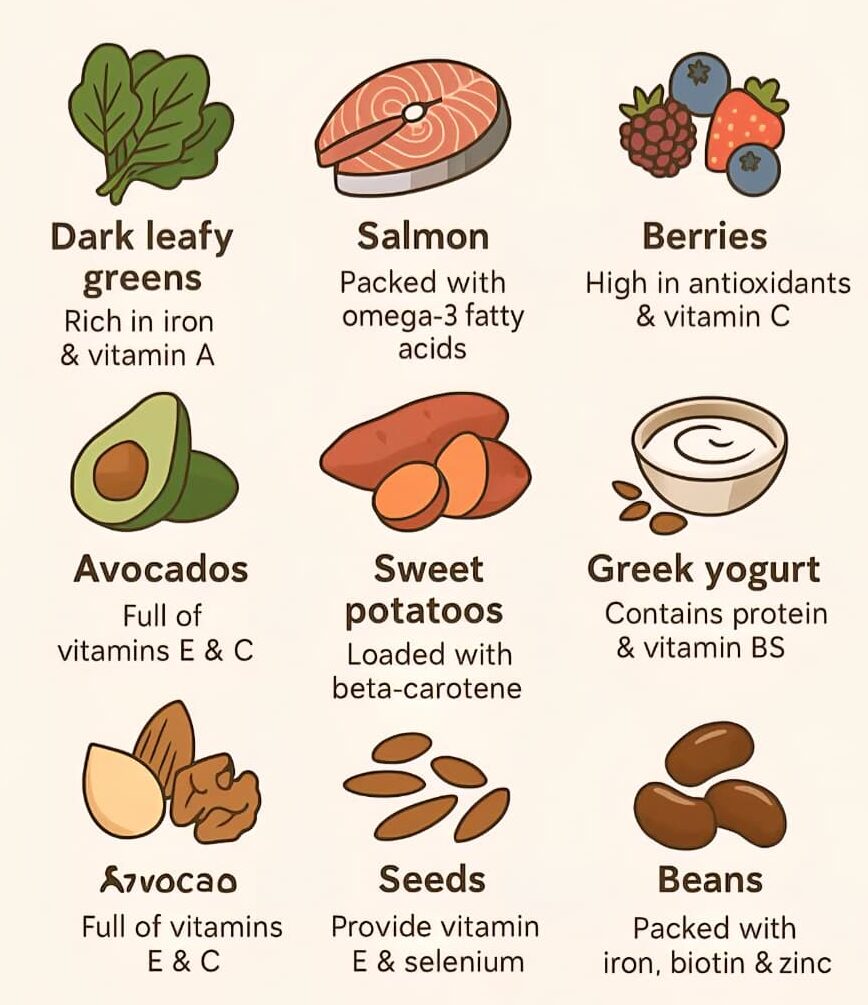
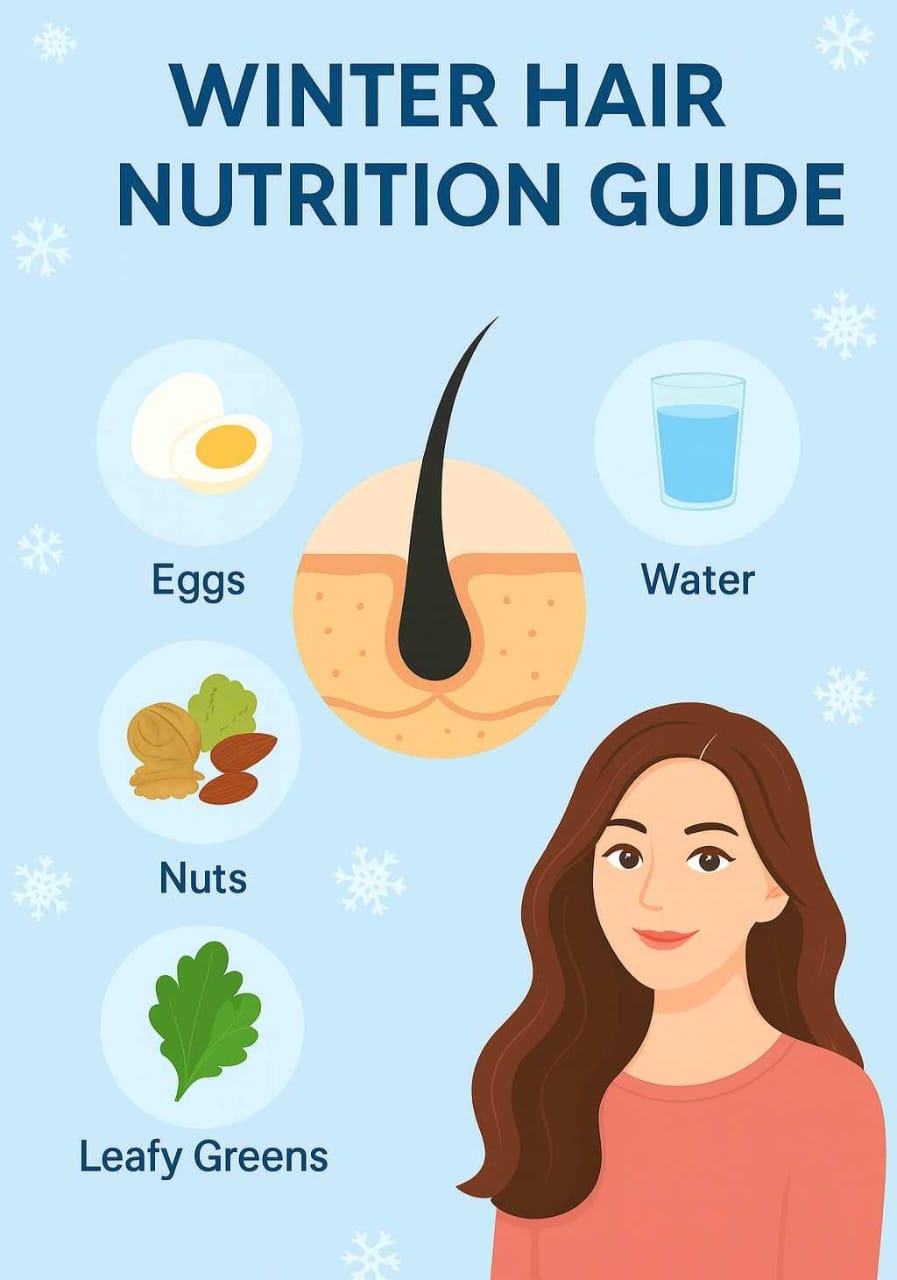
3. Improve Nutrition for Better Sleep and Hair
Eat foods that rich in:
- Protein (eggs, lentils, fish)
- Iron (spinach, dates, red meat)
- Biotin & Zinc (nuts, seeds)
- Magnesium (bananas, dark chocolate)
These nutrients support both sleep quality and hair strength.
Natural Solutions for hair loss
- Stay hydrated : drink 8-10 glass of water everyday.
- Message your scalp : 5-minutes scalp message before t the bed, with light oil(coconut oil/castor oil), can improve blood flow to the scalp and relaxes the nervous system.
- Eat balance diet : try to intake protein, iron-rich foods like egg whites, chicken breast, fresh fish, spinach, dates, red meat, soyabean, chana, soya-milk, kidney beans, almonds, peanuts etc. in your daily diet.
- Avoid heavy, oily foods, sweets at night.
- No digital screen (mobile/laptop/computer/television), 60 minutes before bed. it will help you sleep better.
- Now, you can track your sleep and stress level with a advanced smart fitness tracker device.
- Daily Habit Improvement : follow a healthy schedule daily like –
- walk for 15-20 minutes in sunlight at the early morning.
- Do free-hand exercises for 30 minutes. stay active in the day.
- take dinner at least 2-3 hours before going to bed.
Blood test required for hair loss
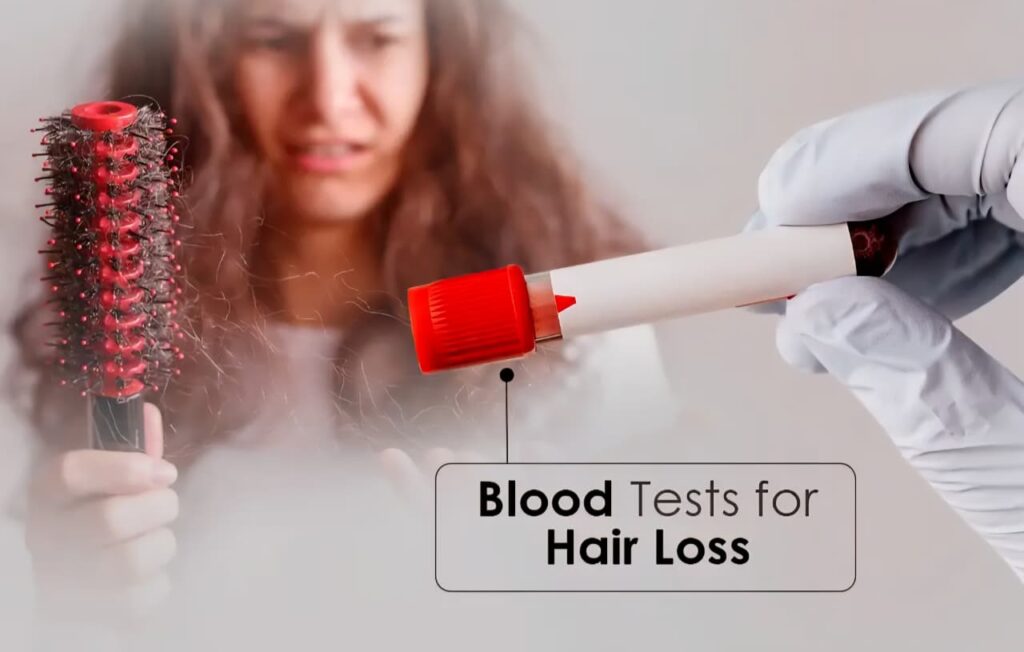
“Can lack of sleep cause hair loss ?” is a very common question now a days. but hair fall is not only depends on sleep, If you suspect that vitamin or hormone deficiency is the cause of your hair loss, then blood tests are essential for accurate diagnosis. remember Self-supplementing without testing can increase the problem.
Essential Blood Tests needed for Hair Loss
1 . Complete Blood Count (CBC)
Checks for anemia and overall health.
2 . Serum Ferritin Test
Measures iron stores in the body.
Ferritin levels below 30–40 ng/mL are often associated with hair loss.
3 . Vitamin D level test
Low levels are commonly linked to hair fall and poor regrowth.
4 . Vitamin B12 Test
Identifies B12 deficiency, especially important for vegetarians and vegans.
5 . Thyroid Profile
Including TSH, Free T3, Free T4.
which is essential for identifying thyroid-related hair loss.
6 . Zinc Level Test
Recommended if hair loss is accompanied by brittle hair or slow healing.
7 . Hormonal Tests (If Needed)
Depending on symptoms, doctors may advise:
- Estrogen and Progesterone
- Testosterone and DHEAS
- LH and FSH (especially for PCOS)
- Cortisol level
How to Treat Hair Loss Caused by Vitamin and Hormone Deficiency
Before taking any decisions, you must consult with a specialized doctor. self-curing can be dangerous.
1. Correct Iron Deficiency (Strong Clinical Evidence
Solution
- Oral iron supplementation (only if ferritin is low)
- Iron-rich diet: red meat, spinach, lentils, dates
- Vitamin C to improve iron absorption
>> Scientific Proof
- A study published in the Journal of the American Academy of Dermatology found that low serum ferritin levels are significantly associated with chronic hair shedding (telogen effluvium).
- Multiple dermatology guidelines recommend maintaining ferritin levels above 40–70 ng/mL for optimal hair growth.
2. Treat Vitamin D Deficiency (Well-Documented Evidence)
Solution
- Vitamin D3 supplementation (dose based on blood levels)
- Safe sun exposure in the morning.
- consume Vitamin D–rich foods (eggs, fatty fish)
>> Scientific Proof
- A clinical study in Dermatology and Therapy showed that patients with hair loss had significantly lower vitamin D levels compared to healthy controls.
- Vitamin D receptors are essential for hair follicle cycling and new follicle formation.
3. Vitamin B12 Replacement (Proven for Diffuse Hair Loss)
Solution
- Oral or injectable vitamin B12 (depending on severity)
- Increased intake of dairy, eggs, fish, or fortified foods
>> Scientific Proof
- Research in International Journal of Trichology links vitamin B12 deficiency to telogen effluvium and hair thinning, especially in vegetarians.
- B12 improves oxygen delivery to hair follicles by supporting red blood cell production.
4. thyroid hormone regulation(strong medical consensus)
Solution
- Treat hypothyroidism or hyperthyroidism with prescribed medication
- Regular thyroid function monitoring
>> Scientific Proof
- According to the American Thyroid Association, thyroid hormone imbalance directly affects the hair growth cycle.
- Hair regrowth is commonly observed after thyroid levels stabilize
5. Hormonal Balance in PCOS and Estrogen Deficiency
Solution
- Hormonal therapy (by advised by a doctor)
- Lifestyle changes (weight management, low-glycemic diet)
- Anti-androgen treatment when necessary
>> Scientific Proof
Studies in Endocrine Reviews confirm that excess androgens in PCOS cause female pattern hair loss.
- Estrogen supports the anagen (growth) phase of hair follicles
6. zinc supplementation/moderate but consistent evidence
Solution
- Zinc supplementation .
- Intake Zinc-rich foods like nuts, seeds, whole grains.
>> Scientific Proof
- A study in Annals of Dermatology reported significant hair regrowth in zinc-deficient patients after supplementation.
- Zinc supports protein synthesis and follicle repair.
7. stress reduction to lower cortisol
Solution
- manage your Stress level(sleep, exercise, mindfulness).
- Address chronic illness or emotional stress.
>> Scientific Proof
- Research published in Nature shows that elevated cortisol keeps hair follicles in a resting phase, preventing regrowth.
- Reducing stress helps restore normal hair cycle.
Treatment depends on correcting the root cause:
- Targeted supplements based on blood test results
- Dietary improvements
- Hormonal treatment if required
- Stress management and sleep optimization
>> Always consult a doctor before starting supplements or hormone therapy
Vitamin and hormone deficiency for hair loss is common—but also treatable when identified early. Blood tests play a crucial role in uncovering hidden deficiencies and hormonal imbalances that may be silently affecting your hair health.
If you’re struggling with unexplained hair loss, then don’t guess yourself, do—test, treat, and track your progress with smart fitness tracker.
People also ask (FAQ)
what are the causes of hair loss ?
- Genetics (pattern baldness)
- Hormonal changes (pregnancy, thyroid issues, menopause)
- Stress or illness
- Nutritional deficiencies
- Autoimmune conditions (like alopecia areata)
- Medications and treatments (chemotherapy)
- Tight hairstyles / traction alopecia
can lack of sleep cause hair loss ?
– yes , for details, please read the blog above.
what are the stages of hair fall ?
stage 1 : Normal shedding
stage 2 : Increased hair fall
stage 3 : Hair thinning
stage 4 : Noticeable hair loss
stage 5 : Advanced hair loss / baldness
Why are my temples thinning?
Thinning at the temples is often one of the earliest signs of androgenetic hair loss (pattern hair loss), influenced by genetics and hormonal sensitivity. But other factors like tension from hairstyles, scalp health, and stress can also contribute.
What treatments are available for hair loss?
- Medications like minoxidil (for both male or female) and finasteride (mostly men) can slow hair loss or stimulate regrowth.
- Lifestyle changes (nutrition, stress reduction).
- Medical procedures (PRP, laser therapy, hair transplant).
Treatments for specific conditions like JAK inhibitors for alopecia areata.
Effectiveness varies by individual and type of hair loss.
Is hair loss preventable?
Some types can be slowed or managed by early intervention, healthy lifestyle, developing habits and diet.
Genetic causes can’t be fully prevented, but early treatment can help preserve hair.
Can stress or hormones really cause hair loss?
Yes — both chronic stress and hormonal changes like thyroid imbalance, postpartum shifts can disrupt the hair growth cycle and trigger shedding.
does minoxidil help hair growth ?
yes, but before taking supplement its better to consult with a doctor.
Which doctor should I see for hair loss?
specialist to consult with a dermatologist or trichologist who can diagnose the type and recommend tests or treatments.
what is melatonin ?
Melatonin is a natural hormone produced by the pineal gland in the brain. It helps regulate the body’s sleep–wake cycle.